
The Origins of Seeing Through Images
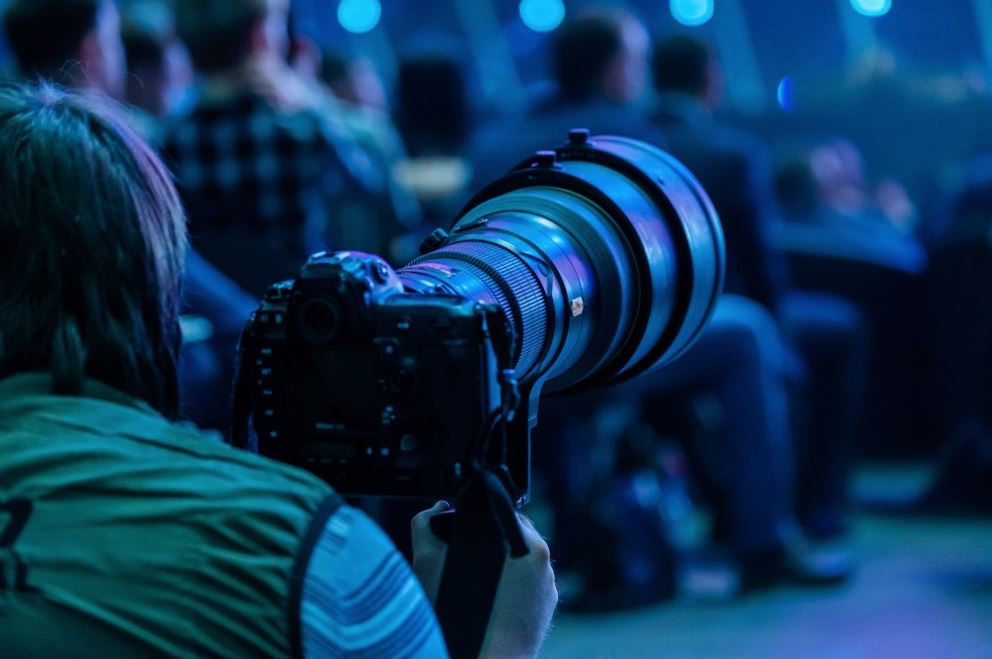
Photography has always been more than the mechanics of light, shadow, and exposure. From its earliest beginnings in the nineteenth century, the photograph was not simply a record but a gesture of interpretation. The first photographers were not just technicians experimenting with chemistry and glass plates, they were also storytellers eager to fix fleeting moments in a world that often felt too quick to hold. As the camera evolved, so too did the notion that each image carried with it a human intention, a story waiting to be told. At its core, photography has always existed as a dialogue between the visible and the unseen, offering glimpses of truths that words alone cannot capture.
Photography as a Bridge Between Worlds
One of the most remarkable qualities of photography is its ability to transcend boundaries of culture, language, and time. A portrait of a farmer in one corner of the globe can resonate with someone thousands of miles away who has never plowed a field but understands resilience written into the lines of a face. A war photograph can unsettle, disturb, or demand empathy across generations, connecting the past to the present through a single image. This bridging capacity makes photography not only an art form but also an ethical act, one that constantly asks how images can connect us without exploiting those who are seen. The photograph is not merely a frozen moment, it is a living bridge that carries emotions, meanings, and identities across divides.
The Personal Nature of the Craft
Every photographer, whether professional or amateur, brings to the lens a particular worldview shaped by memory, culture, and desire. A street photographer notices small gestures on sidewalks, while a landscape artist sees grandeur in mountains and skies. A documentarian looks for truth in struggle, while a fashion photographer highlights the drama of elegance. What unites these practices is not the subject matter but the personal imprint left behind. In every composition, choice of angle, or decision to wait for just the right light, the photographer is inscribing a personal presence. This is why photographs often feel intimate even when they capture strangers. They are, in their deepest sense, self-portraits refracted through the world outside.
Photography in the Age of Digital Abundance
In today’s digital environment, images proliferate at an astonishing rate. Billions of photographs are taken and shared daily, flooding screens and archives with a vast visual record of human experience. This abundance has democratized the craft, allowing nearly anyone with a smartphone to participate in image-making. Yet it has also raised pressing questions about authenticity, ownership, and the very nature of truth in a world where editing tools can transform the ordinary into the extraordinary with ease. Amid this deluge, the role of photography as an anchor of memory and testimony becomes even more important. The responsibility now lies not only in creating images but in curating them, in discerning which moments deserve to carry the weight of representation and remembrance.
The Ethical Responsibilities of the Photographer
No discussion about the essence of photography can overlook the ethical considerations it demands. To photograph someone is to frame their story, to select what will be seen and what will be left outside the edges of the frame. This power comes with obligations. Consent, dignity, and honesty are not secondary concerns but the very ground upon which meaningful images stand. A photograph that violates trust may still capture attention, but it fails in its deeper purpose of fostering connection and understanding. Ethical photography is not about limiting artistic freedom, but about deepening it, ensuring that the stories told through images honor the humanity of both the subject and the viewer.
Photography as Memory and Legacy
At its most enduring, photography functions as a vessel of memory. Family albums, faded prints, and even digital archives preserve the fragile fabric of personal and collective histories. Images become markers of identity, milestones of joy and grief, and reminders of what has been. They allow generations to converse across time, offering descendants a window into lives they never lived but can still feel through the presence of an image. In this way, photography participates in legacy-building, ensuring that moments both ordinary and extraordinary find their way into the long conversation of human continuity.
Looking Ahead: The Future of the Image
As technology continues to evolve, so will the ways in which we capture, share, and interpret images. Artificial intelligence, virtual reality, and new forms of visual storytelling are reshaping what it means to document and imagine. Yet the heart of photography remains unchanged: the desire to see, to connect, and to remember. Whether preserved on a fragile glass plate, a printed photograph, or an encrypted digital file, the image will continue to serve as one of humanity’s most powerful tools for communication. The future of photography lies not just in innovation but in sustaining its timeless role as witness, storyteller, and bridge across the human experience.