
Understanding the Foundation of Composition
Composition is the invisible framework that gives photographs their strength. While cameras capture light, it is composition that determines how that light is arranged to tell a story. Without structure, even the most vivid subject can feel chaotic or flat. With thoughtful composition, ordinary scenes transform into compelling narratives. The placement of subjects within the frame, the balance between elements, and the use of space all guide the viewer’s eye. This is why composition is often described as the grammar of photography, it provides the rules and rhythms that make visual language coherent and powerful.
The Rule of Thirds and Beyond
One of the most well-known principles of composition is the rule of thirds, which divides the frame into nine equal sections with two horizontal and two vertical lines. Placing a subject along these lines or at their intersections creates balance while avoiding static central positioning. Yet the rule of thirds is only a starting point. Photographers often experiment by breaking it intentionally, placing a subject in the very center to create confrontation or pushing it to the edge to emphasize isolation. The key lies not in rigid adherence but in understanding how placement influences emotional response.
Leading Lines and the Journey of the Eye
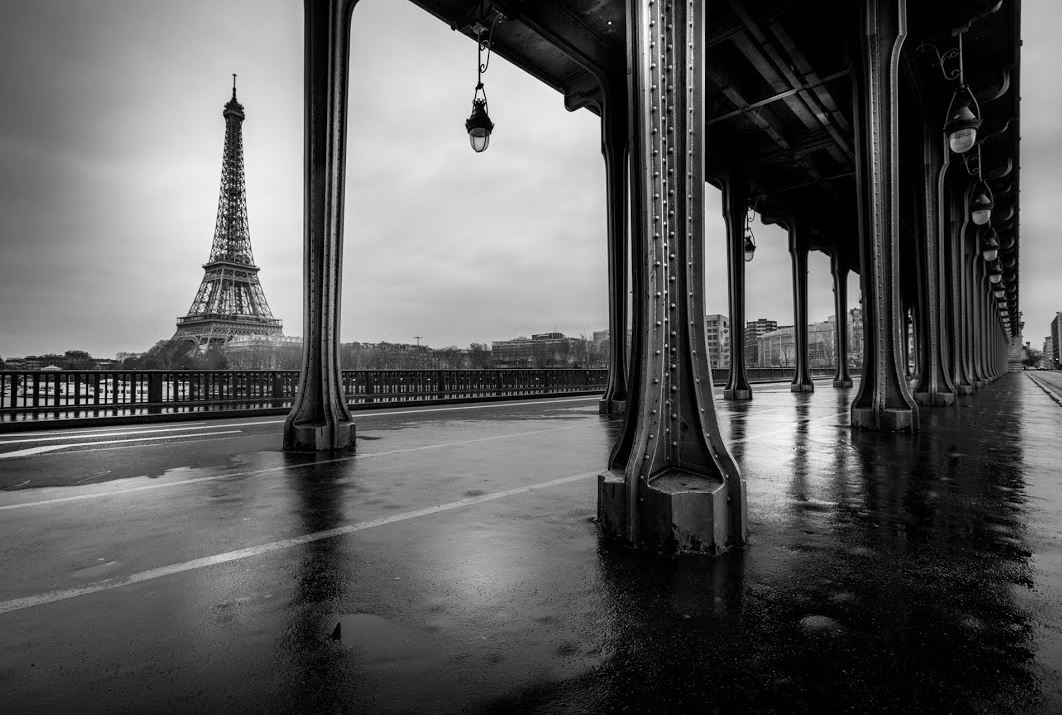
Lines in a photograph act as visual pathways, guiding the viewer’s gaze across the frame. Roads, rivers, fences, and architectural features can all serve as leading lines, pulling attention toward the subject or into the depth of the scene. Curved lines suggest fluidity and movement, while straight lines create stability and order. Diagonal lines, in particular, generate a sense of dynamism, as if the photograph is alive with motion. By consciously employing leading lines, photographers control not only where the eye begins but also where it rests, ensuring the narrative unfolds exactly as intended.
Balance and the Use of Space
Balance is a cornerstone of strong composition. Symmetry can create harmony and calm, while asymmetry introduces tension and intrigue. Negative space, often underestimated, plays a crucial role by allowing subjects to breathe within the frame. An image of a lone tree against a vast sky, for example, uses emptiness to highlight solitude and scale. Negative space also sharpens focus, directing attention to the subject by removing distractions. Mastery of balance and space means knowing when to fill the frame with detail and when to let silence speak through emptiness.
Depth, Layers, and Perspective
Photographs are flat surfaces, but composition gives them depth. By layering foreground, middle ground, and background elements, photographers create a sense of three-dimensional space. Perspective further enhances this effect. Shooting from a low angle can make subjects appear monumental, while a high angle can suggest vulnerability or smallness. Depth of field, controlled through aperture, adds another layer of storytelling by deciding what remains sharp and what dissolves into blur. Together, these techniques draw the viewer into the image, transforming it from a flat record into an immersive experience.
Light as a Compositional Element
Light does not only illuminate subjects, it sculpts them. Shadows and highlights add contrast, texture, and direction. A photograph composed with strong backlighting might create dramatic silhouettes, emphasizing shape over detail. Side lighting can reveal texture in architecture or skin, while diffused light softens edges and conveys tranquility. Photographers who treat light as an integral part of composition understand that it defines not just visibility but mood. By using light strategically, they craft stories that resonate emotionally and visually.
Color, Contrast, and Visual Harmony
Color is another compositional tool that communicates mood and meaning. Bold colors can energize an image, while muted tones evoke subtlety and calm. Contrast between colors or tones directs attention, highlighting the most important elements within the frame. Complementary colors, like blue and orange, create dynamic tension, while analogous palettes foster harmony. Even in black and white photography, tonal contrast between darks and lights achieves similar effects. A photographer’s choice of color and contrast is never neutral; it is an intentional decision that determines the atmosphere of the story being told.
Breaking Rules to Find Personal Voice
While composition provides guidelines, true artistry often emerges from breaking them. Photographers may deliberately tilt horizons, crop subjects unexpectedly, or fill frames with chaos to challenge conventions. These choices are not mistakes but expressions of personal vision. The history of photography is filled with innovators who defied rules to redefine aesthetics, from modernist abstraction to street photography’s raw spontaneity. By first mastering traditional composition and then questioning it, photographers develop a unique voice. Every deviation becomes part of their style, making their work instantly recognizable.
The Timeless Role of Composition in Storytelling
Regardless of how technology changes photography, composition remains timeless. Whether an image is captured on film, digital sensors, or even generated through new technologies, the arrangement of elements determines its impact. Viewers respond to structure instinctively, guided by the same principles that have shaped visual art for centuries. Composition is not about following rigid formulas but about crafting meaning with intention. It transforms the photographer from a recorder of reality into a storyteller, capable of shaping how people see, feel, and remember.