
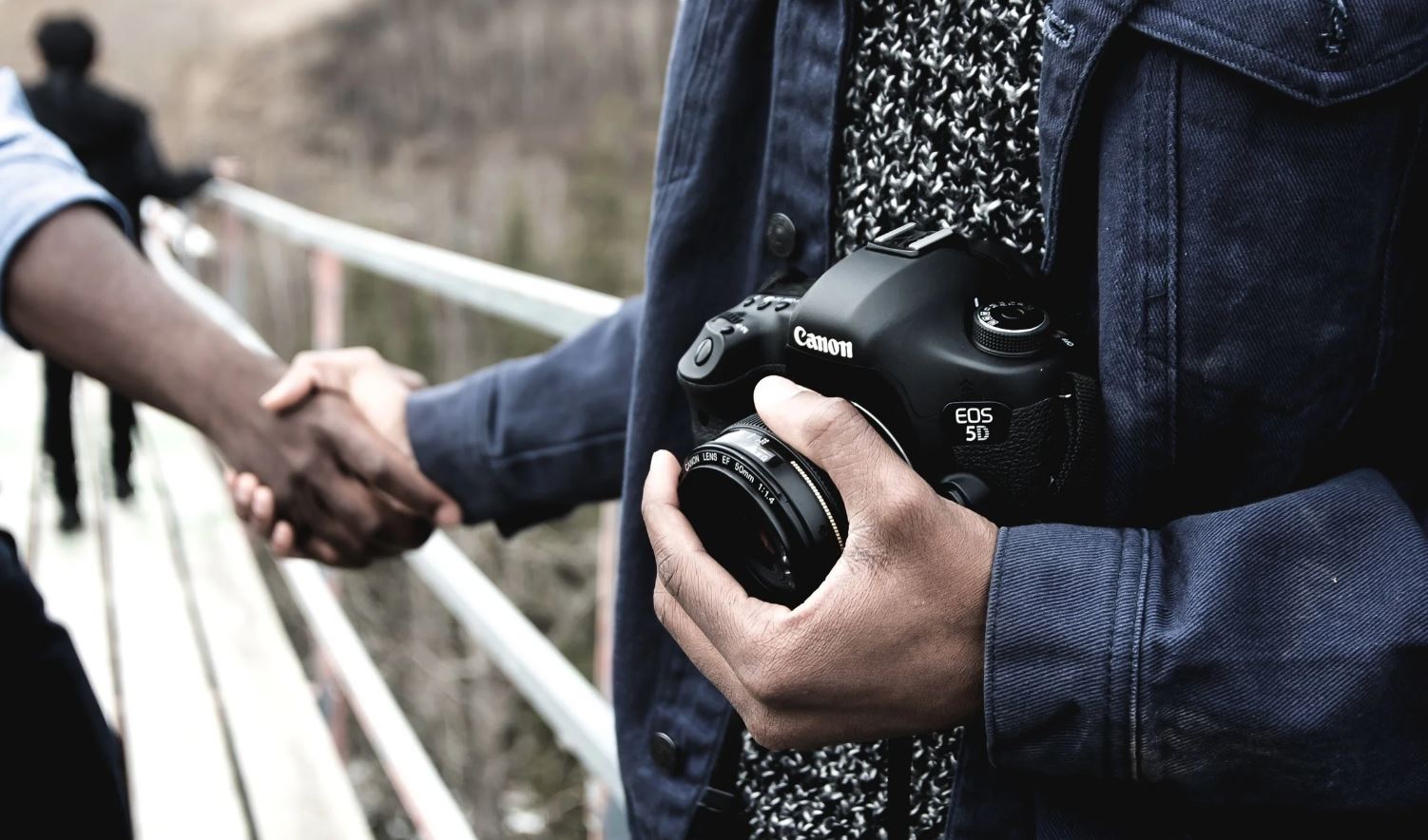
The Photographer’s Duty to Truth
At its core, photography has long been associated with truth. The medium’s ability to capture reality with apparent accuracy has made it a trusted source of documentation, from journalism to science to family memory. Yet every photograph is shaped by choices: where to point the lens, what to exclude from the frame, and how to process the image afterward. These decisions introduce subjectivity, raising the question of whether photography can ever be purely objective. Ethical photography acknowledges this tension by striving for honesty, avoiding manipulations that distort reality in ways that mislead viewers. A photographer’s first responsibility is not just to capture light but to preserve the integrity of the story behind it.
Representation and the Power of Perspective
Photography is never neutral, it reflects the perspective of the person behind the lens. This makes representation one of the most ethically charged aspects of the craft. How people, communities, and cultures are depicted can reinforce stereotypes or challenge them. A photograph taken of an unfamiliar community can either reduce subjects to exoticized objects or highlight their individuality and humanity. Ethical photographers remain aware of this power dynamic. They consider how their presence shapes the moment, how their subjects are portrayed, and how those images will be interpreted by audiences who may have little knowledge of the context. In this sense, every photograph carries responsibility not only to the viewer but also to the subject.
Consent and Human Dignity
One of the most direct ethical concerns in photography involves consent. When photographing people, particularly in vulnerable situations, gaining permission is more than a legal formality, it is an act of respect. In documentary and street photography, the boundaries of consent are often blurred, as candid moments can be powerful but intrusive. Ethical practice requires careful judgment: does the image serve the public good, or does it violate personal dignity? Photographers working with marginalized groups must be especially vigilant, ensuring that subjects are not exploited for shock value or aesthetic appeal. Consent is about acknowledging the humanity of the subject and treating them as collaborators in the storytelling process, not as objects to be captured.
Manipulation and Authenticity in the Digital Era
Digital tools have made it easier than ever to alter photographs. Simple adjustments to brightness or contrast may enhance clarity without changing meaning, but more drastic manipulations, removing objects, altering appearances, or fabricating scenes, can cross ethical lines. In photojournalism, even small edits can undermine credibility, as viewers expect documentary images to reflect reality as it unfolded. In artistic photography, manipulation may be acceptable when clearly framed as creative expression rather than documentation. The ethical question lies not in whether editing is used but in whether it deceives. Transparency about the intention and process behind an image helps preserve trust between photographer and audience.
The Ethics of Sharing and Distribution
Taking a photograph is only the first step. The decision to share, publish, or distribute images carries its own ethical responsibilities. In the age of instant digital sharing, photographs can travel globally within seconds, stripped of context and open to misinterpretation. Photographers must consider the potential consequences of sharing an image: Will it harm the subject? Could it reinforce harmful narratives? Is the photograph being used in ways the subject never agreed to? Ethical distribution demands thoughtfulness about audience, platform, and potential impact. Even powerful images that reveal important truths must be shared responsibly, with context that supports understanding rather than sensationalism.
Photography as Activism and Its Ethical Tensions
Photography has long been a tool for activism, shedding light on injustice and mobilizing public opinion. From images of civil rights marches to photographs of environmental devastation, pictures have the power to ignite action. Yet activism raises its own ethical challenges. Photographers must balance urgency with accuracy, ensuring that the desire to inspire change does not lead to exaggeration or distortion. They must also consider the safety and dignity of those they photograph, as images can expose individuals to scrutiny or danger. Ethical activism through photography involves telling hard truths with compassion, amplifying voices without exploiting them.
The Global Stage and Cultural Sensitivity
In a globalized world, photographs cross cultural boundaries with ease. Yet what is considered respectful in one culture may be inappropriate in another. A gesture, garment, or setting may carry meanings invisible to outsiders. Photographers working internationally must practice cultural sensitivity, researching and understanding the contexts they enter. They must avoid treating unfamiliar communities as spectacles for foreign consumption, instead striving to portray them with respect and nuance. Ethical photography in cross-cultural contexts means resisting the temptation to simplify complex realities for the sake of accessibility, and instead honoring the richness of lived experience.
Toward an Ethical Future in Photography
As photography continues to evolve with technology, the ethical questions it raises will only grow more complex. Artificial intelligence can now generate images indistinguishable from photographs, blurring the line between reality and fabrication. Surveillance photography raises issues of privacy and consent on an unprecedented scale. Yet even as tools and contexts change, the core principles of ethical photography remain: truth, respect, dignity, and responsibility. The future of ethical practice will depend on continued dialogue among photographers, subjects, and audiences about what it means to use images in ways that honor human experience rather than exploit it.