
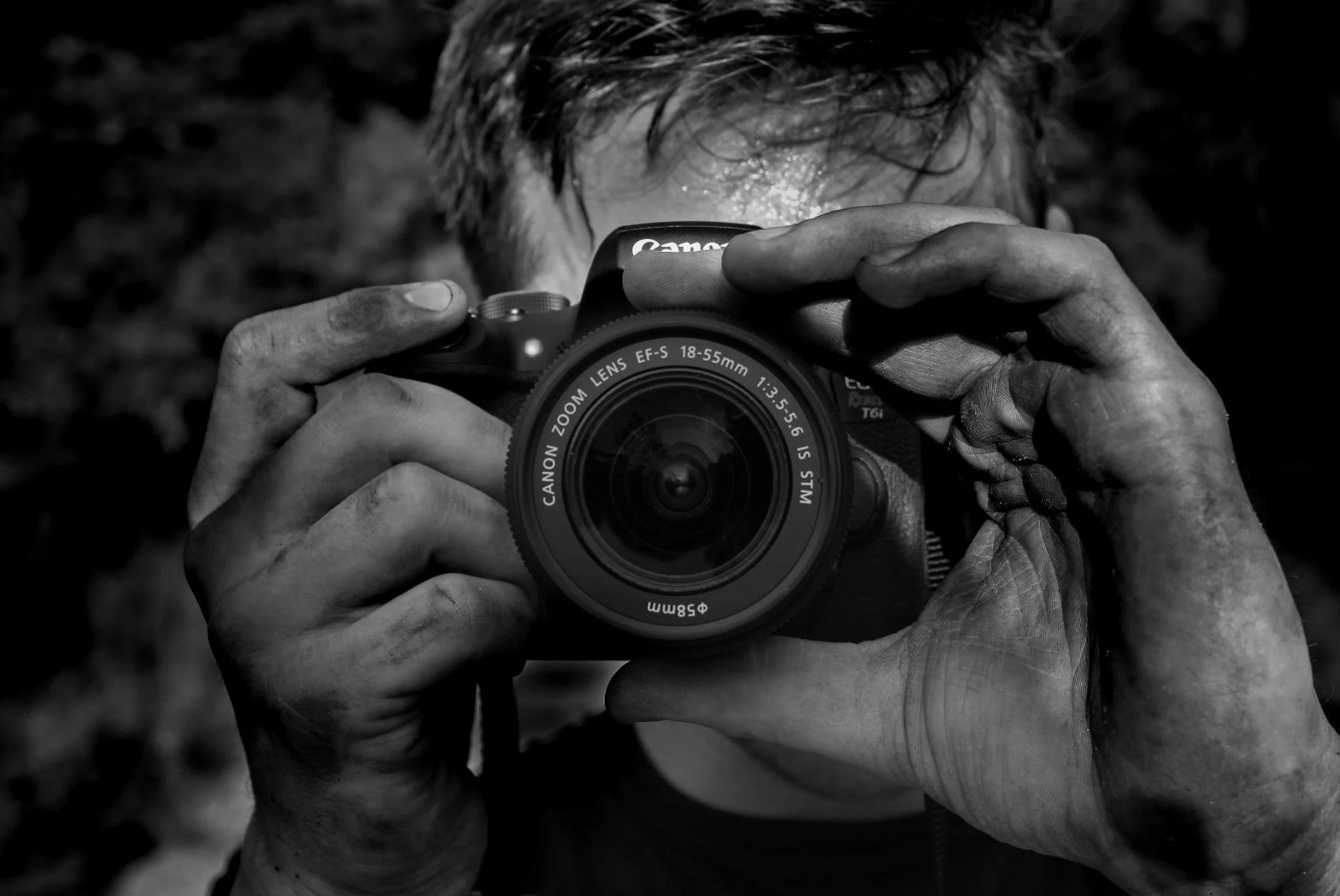
The Dialogue Between Photographer and Audience
Every photograph is incomplete until it meets an audience. The still image may freeze a moment in time, but its meaning continues to evolve in the minds of those who see it. Contact, therefore, is not just about sending a message or filling in a form; it is the continuation of a dialogue that began the moment a shutter was pressed. To reach out to a photographer or to a community of visual storytellers is to extend that dialogue, to say that the image has spoken and that you are ready to speak back. This reciprocity strengthens the purpose of photography, which has always been about sharing rather than simply keeping.
Building Communities Through Communication
Photography thrives when it moves beyond the isolated act of taking a picture and becomes part of a network of relationships. Museums, galleries, online platforms, and local clubs have all been shaped by those who were willing to contact each other and exchange ideas. In this sense, reaching out is a form of curation. It is the way images are not just displayed but contextualized, debated, and understood. When viewers contact the creators, they do more than express admiration; they contribute to shaping the meaning of the work. Contact becomes the invisible architecture that upholds the gallery walls of collective memory.
The Responsibility of Connection in the Digital Age
In today’s digital environment, contacting a photographer or a storyteller often takes place in spaces saturated with rapid-fire sharing and ephemeral impressions. The challenge is to use these spaces with care, respecting the effort and vulnerability involved in creating visual work. Thoughtful contact requires slowing down, articulating questions, and engaging with images as though they were living testimonies. It also calls for ethical awareness: respecting privacy, honoring cultural boundaries, and acknowledging the rights of those whose stories are depicted. Contact is not merely about access but about responsibility. It asks us to consider how our words and inquiries can support the work rather than diminish it.
Contact as Collaboration and Continuity
When we reach out to photographers, writers, or communities, we are not only asking questions but opening the door to collaboration. Photography is never static; it moves with each interpretation, each re-exhibition, and each reuse in new contexts. A simple act of contact can lead to exhibitions, partnerships, publications, or mentoring relationships. It can even redefine the purpose of an image, turning a personal document into a public archive. This is why maintaining open channels for contact is central to the vitality of visual storytelling. It ensures that images continue to circulate in meaningful ways rather than fading into silent files.
Beyond the Form: Contact as Human Presence
While websites, email addresses, and message boxes are practical tools, the true essence of contact is human presence. It is the recognition that behind every image there is a person who framed it, waited for it, or wrestled with its story. Reaching out to that person affirms the shared humanity that photography seeks to highlight. In this way, the contact page is not just functional but symbolic. It embodies the bridge between the solitary act of creating and the collective act of receiving. Each message sent across that bridge carries the potential to turn a static photograph into a living conversation that continues long after the moment has passed.